AI Crop Advisory for Farmers: How Artificial Intelligence Is Transforming Agriculture
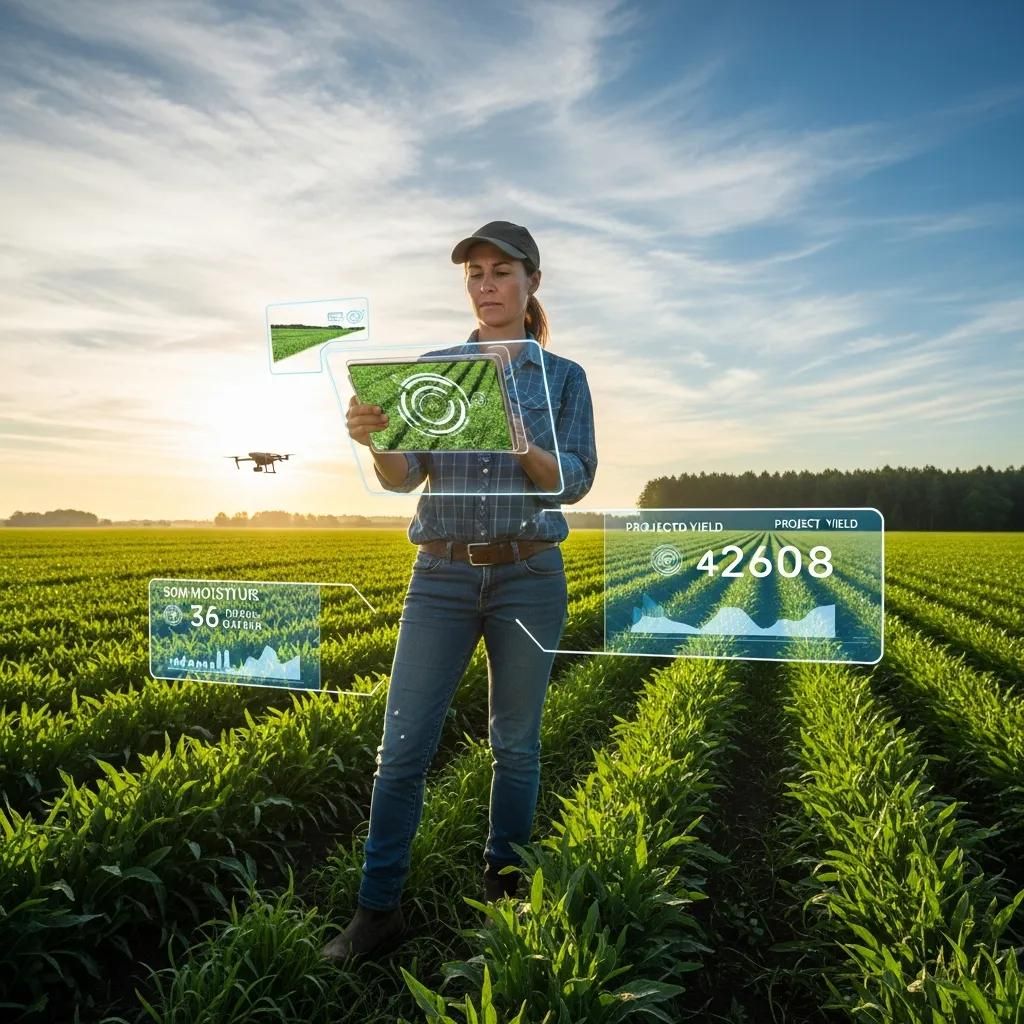
Artificial Intelligence (AI) is revolutionizing agriculture by providing farmers with advanced tools and insights that enhance productivity and sustainability. This article explores how AI crop advisory services are transforming farming practices, enabling farmers to make data-driven decisions that optimize crop yields and resource management. As agricultural challenges grow due to climate change and population growth, AI offers innovative solutions to improve efficiency and sustainability in farming. We will delve into the benefits of AI-driven crop health monitoring, personalized farming recommendations, precision farming technologies, and real-world examples of AI adoption in Indian farms.
How Does AI Improve Crop Advisory Services for Farmers?
AI enhances crop advisory services by integrating data analytics, machine learning, and real-time monitoring to provide actionable insights for farmers. This technology enables smart scheduling of farming activities, AI-generative advisory systems that tailor recommendations based on specific farm conditions, and end-to-end visibility of crop health. By leveraging these capabilities, farmers can optimize their operations, reduce waste, and increase overall productivity.
Indeed, the integration of AI into agricultural advisory services is seen as crucial for fostering sustainable farming practices.
AI in Agricultural Advisory for Sustainable Farming These will include having farmers and Extension Services implementing AI for crop yield prediction, disease detection, and resource management, highlighting the critical role of AI in the implementation of Agricultural Advisory Services (AASs) for Sustainable Agriculture. Towards Sustainable Agriculture: The Opportunities and Challenges of Artificial Intelligence in Agricultural Advisory Services, MZ Sithole, 2024
What Are the Benefits of AI-Driven Crop Health Monitoring?
AI-driven crop health monitoring offers several key benefits that significantly impact agricultural productivity:
Real-Time Monitoring: Continuous surveillance of crop conditions allows for immediate detection of issues such as pests or diseases, enabling timely interventions.
Resource Optimization: By analyzing data on soil health and weather patterns, AI helps farmers use water, fertilizers, and pesticides more efficiently, reducing costs and environmental impact.
Yield Improvement: Enhanced monitoring leads to better crop management practices, which can result in higher yields and improved quality of produce.
These benefits illustrate how AI-driven monitoring systems can transform traditional farming into a more efficient and sustainable practice.
How Does AI Enable Personalized Farming Recommendations?
AI enables personalized farming recommendations by utilizing algorithms that analyze vast amounts of data from various sources, including soil sensors, weather forecasts, and historical crop performance. This data-driven approach allows for tailored advice that considers the unique conditions of each farm. Farmers receive specific guidance on planting schedules, crop varieties, and resource allocation, which enhances their decision-making process and ultimately leads to better outcomes.
This data-driven approach is fundamental to developing smart, sustainable agricultural solutions.
AI-Enabled Crop Advisor for Smart Sustainable Agriculture To address these issues on smart crop cultivation with artificial intelligence enabled crop advisor sustainable agriculture generation integrates machine learning and data analytic to provide real-time insights and recommendations. Sustainable Smart Agriculture Advisor through Artificial Intelligence Approach, S Hariharan, 2024
What Precision Farming Technologies Support Sustainable Agriculture?
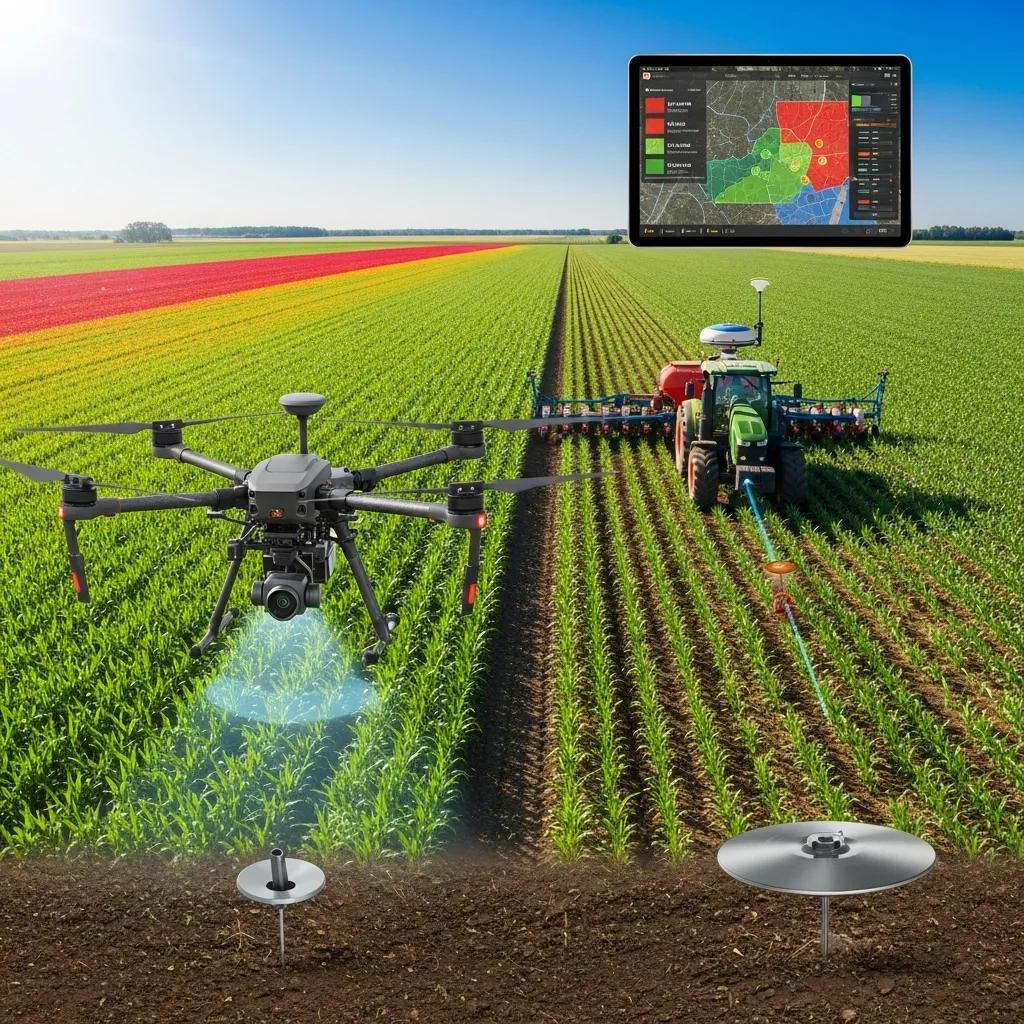
Precision farming technologies play a crucial role in supporting sustainable agriculture by providing farmers with the tools needed to optimize their practices. These technologies include:
- Soil Ingestion: Advanced sensors analyze soil health and nutrient levels, allowing farmers to apply fertilizers and amendments more effectively.
- Satellite Monitoring: Satellite imagery provides insights into crop health and growth patterns, enabling farmers to make informed decisions about irrigation and pest control.
- AI-Driven Advisory: AI systems analyze data from various sources to offer real-time recommendations, helping farmers adapt to changing conditions.
These technologies collectively contribute to more sustainable farming practices by minimizing waste and maximizing resource efficiency.
Such AI-driven precision agriculture is key to enhancing sustainable land and resource management.
AI Precision Agriculture for Sustainable Resource Optimization This chapter examines how AI- driven precision agriculture can enhance sustainable land and resource management by optimizing activities like crop monitoring, irrigation, soil health, and nutrient management, leading to increased productivity and reduced environmental impact. Precision agriculture and AI-driven resource optimization for sustainable land and resource management, M Padhiary, 2025
How Do Smart Irrigation and Resource Optimization Work?
Smart irrigation systems utilize AI and IoT technologies to monitor soil moisture levels and weather conditions, ensuring that crops receive the right amount of water at the right time. This approach not only conserves water but also promotes healthier crop growth. Resource optimization involves analyzing data to determine the most efficient use of inputs like fertilizers and pesticides, reducing costs and environmental impact.
What Role Do Digital Agriculture Tools Play in Precision Farming?
Digital agriculture tools are essential for implementing precision farming techniques. These tools include mobile applications, data analytics platforms, and farm management software that help farmers track their operations and make informed decisions. By integrating these tools into their practices, farmers can enhance productivity, reduce waste, and improve overall farm management.
How Can AI-Based Crop Yield Prediction Enhance Farm Management?
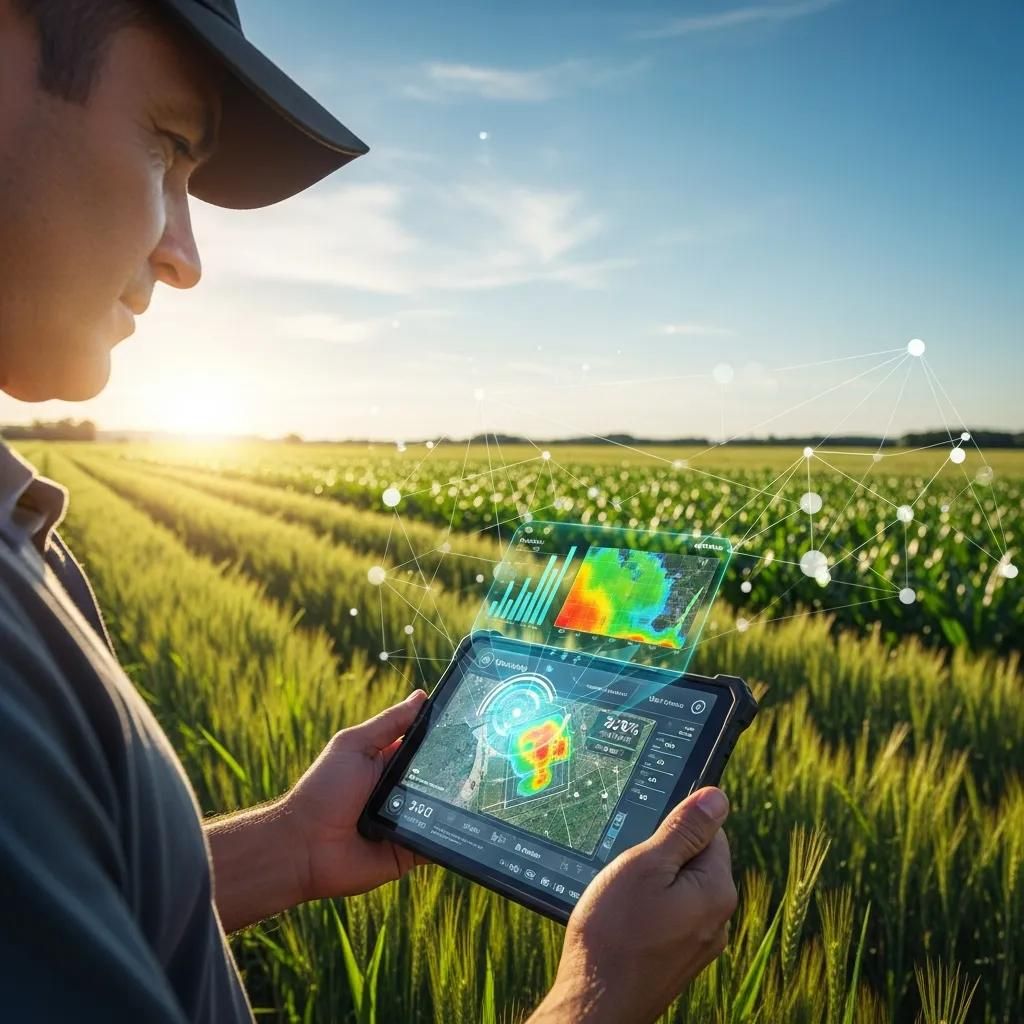
AI-based crop yield prediction enhances farm management by providing farmers with accurate forecasts of expected yields based on various factors such as weather conditions, soil health, and crop variety. This predictive capability allows farmers to plan their operations more effectively, manage resources efficiently, and make informed decisions about marketing their produce.
Which AI Models Predict Crop Yields Accurately?
Several AI models are used to predict crop yields accurately, including machine learning algorithms that analyze historical data and current conditions. These models can incorporate various data sources, such as satellite imagery and sensor data, to provide reliable forecasts. By leveraging these advanced models, farmers can gain insights into potential yield outcomes and adjust their strategies accordingly.
How Does Crop Yield Prediction Support Decision Making?
Crop yield prediction supports decision-making by providing farmers with critical information that influences various aspects of farm management. Accurate yield forecasts enable farmers to:
Optimize Resource Allocation: Knowing expected yields helps farmers allocate resources such as labor, water, and fertilizers more effectively.
Plan Marketing Strategies: Understanding potential yields allows farmers to make informed decisions about when and how to market their produce.
Mitigate Risks: Predictive insights help farmers identify potential challenges and adjust their practices to minimize risks associated with crop failure.
These decision-making capabilities are essential for enhancing farm management and ensuring sustainable agricultural practices.
What Are Real-World Examples of AI Adoption in Indian Farms?
AI adoption in Indian farms has led to significant improvements in agricultural practices, showcasing the transformative potential of this technology. Several success stories highlight the impact of AI crop advisory services on farming outcomes.
What Success Stories Demonstrate AI Crop Advisory Impact?
One notable success story is the implementation of AI-driven crop advisory systems in the Kahudi Multi-Layer Organic Farming initiative. This project has demonstrated substantial production increases by utilizing AI to monitor crop health and provide tailored recommendations. Farmers involved in this initiative have reported improved yields and reduced input costs, showcasing the effectiveness of AI in enhancing agricultural productivity.
How Are Emerging Technologies Like Drones and IoT Integrated?
Emerging technologies such as drones and IoT devices are increasingly integrated into AI crop advisory systems. Drones equipped with sensors can capture high-resolution images of crops, providing valuable data for analysis. IoT devices monitor environmental conditions in real-time, feeding data into AI systems that generate actionable insights for farmers. This integration enhances the overall effectiveness of crop advisory services, leading to better management practices and improved outcomes.
See Farm United in Action
Discover how our AI-powered platform helps farmers digitize, monitor, and grow smarter.
Book a Free Demo →